
Colostrum Collection
Colostrum Collection
Composed by Laura Spencer, Independent Midwife
10th September 2025
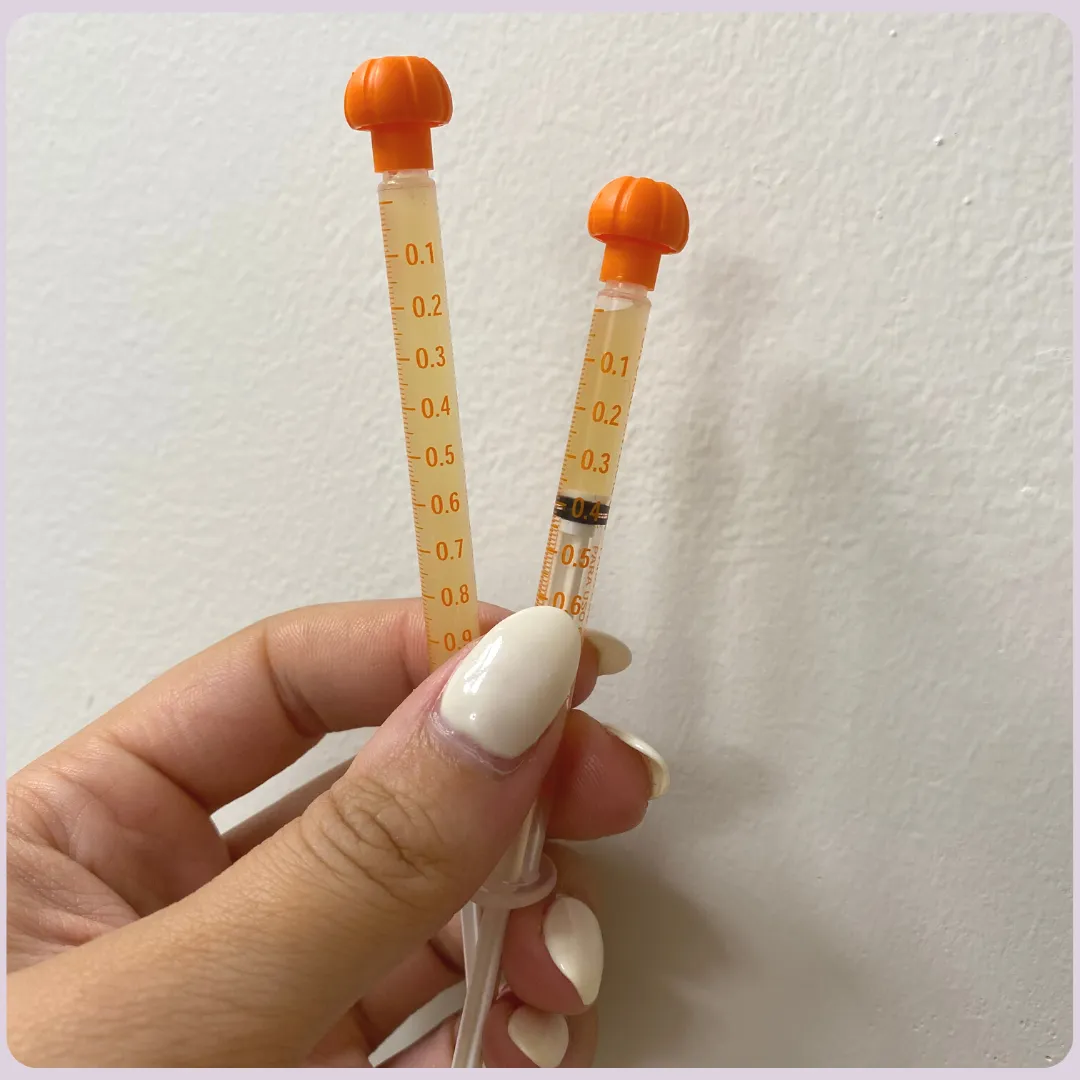
Whilst you are pregnant the midwife will suggest colostrum collection, this is where you can start to capture some of your early colostrum into syringes in preparation for baby’s arrival, however this should not be conducted til 37 weeks onwards (when your baby is full term and fully developed) as the hormonal changes from nipple stimulation can trigger early labour, which we want to avoid happening preterm. Collecting colostrum can come with its own challenges – initiallu you may not feel you have anything coming from your nipples, and this is ok (sometimes the body requires the hormonal shift of having the baby to start producing your breastmilk), it may feel like you can’t relax enough to do it, the ideal time is at the end of the day, when your most relaxed, perhaps following a bath or shower and are not going to be bothered by anyone (especially children!) Spend some time gently massaging the breast with the knuckles around the nipple and towards the back of the breast, you may have already noticed some leaking or may see some once you start massaging. A lot of women seem to be under the belief that milk will come pouring out of the nipples but this simply isn’t true, you will probably see small white pears of colostrum secreting from the nipple ducts and this is ok this is what your going to collect in your syringe. Colostrum is a very thick substance and extremely concentrated (think of your squash before adding water), your baby only needs a small amount of this in the first few days as its tummy is only the size of a marble! So please don’t be disheartened if you only get a small amount of colostrum in the syringe, this is fine and you can continue to fill this syringe, just remember to label your syringe packet with your name and the date. Storing your colostrum:Once your colostrum collection session is complete, put the end back on the syringe and put the syringe of colostrum back in its packet, remember to label each packet with your name and the date and then pop into the freezer. It can stay in here for 6 months, if you need to take it out after baby is here it can stay in the fridge for 6 weeks and if you bring it out into room temperature it can be out for 6 hours. Also remember breastmilk isnt just good for feeds, its a magic medicine of multiple purpose, it can help with sore nipples, baby’s sticky eyes, dry skin (put it in the bath), irritated/infected cords and much much more! Once the birth arrives, grab some of your syringes from the freezer to defrost, if you end up going into hospital ensure you take them with you and ask the midwife to store in the fridge for you. You can buy your own colostrum collection kit for very affordable prices, here is one I recommendhttps://amzn.to/42dPUkZthis kit also comes with some feeding cups as well as syringes, these can be handy for if you have difficulties latching baby on the breast in the first few days, ensure you sterilise the cups and you can either express into the cups or transfer from syringe into the cups, or if you end up needing to top up with some formula due to reasons such as weight loss or jaundice then using cup feeds (see here for how to cup feed Source: Instagramhttps://share.google/0effWDJg5Z6xs0ihZ)can help not to confuse baby’s with teats as sometimes feeding on the breast then topping up with a bottle can confuse your baby and may discourage them from latching back onto the breast. A bottle teat also delivers the baby milk a lot quicker from the breast so your baby may develop a preference for the bottle over the breast. If there is no are solely formula feeding from the offset its still really beneficial to collect some colostrum to give to baby intially before the first bottle feed, this will give them that great start up of antibiodies from yourself, and it is kinder on the tummy as the first feed. Remember also if your bottle feeding to ensure you pace feed, this is important to teach your baby to take the amount of feed they need, at a pace thats right for them rather than laying there swallowing feed without sucking it through themselves and gulping it a lot faster and potentially taking in a lot more air and causing colic in the long run. Here is a great video showing paced feeding Source: TikTokhttps://share.google/nI62vyY0crjTpc1Aj.
